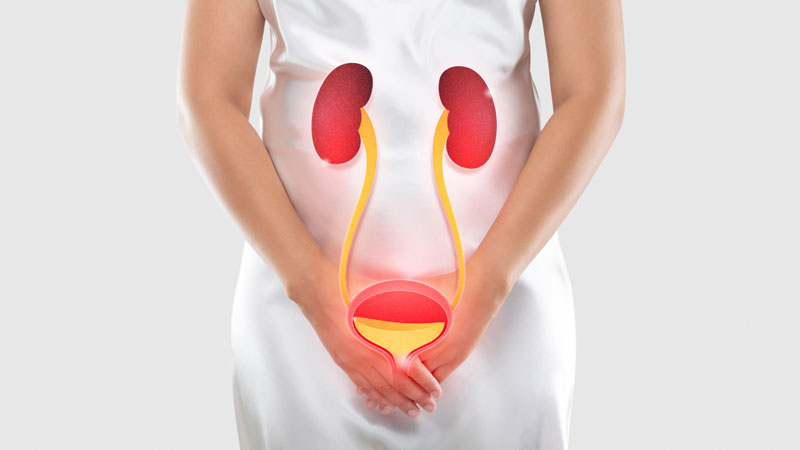
A Urinary Tract Infection (UTI) is an infection that affects any part of the urinary system, including the kidneys, bladder, ureters, and urethra. Most infections involve the lower urinary tract — the bladder and the urethra.
What is it?
A UTI is caused by bacteria entering the urinary tract, leading to infection. Common symptoms include a strong, persistent urge to urinate, a burning sensation when urinating, cloudy urine, strong-smelling urine, pelvic pain in women, and, occasionally, blood in the urine.
What happens
during the procedure:
UTI treatment generally involves:
Diagnosis: Urinalysis and urine culture to identify the presence of bacteria.
Antibiotics: The primary treatment for bacterial UTIs. The type and duration of antibiotics depend on the severity and location of the infection.
Pain relief: Over-the-counter pain relievers like ibuprofen or acetaminophen can help alleviate discomfort.
Hydration: Drinking plenty of water to help flush bacteria from the urinary tract.
Benefits:
Rapid relief of symptoms such as pain and burning during urination.
Prevention of the spread of infection to the kidneys.
Reduction in the frequency of recurrent UTIs with proper treatment and preventive measures.
Restoration of normal urinary function and comfort.
Things to keep in mind:
Complete the full course of antibiotics even if symptoms improve.
Maintain good personal hygiene to reduce the risk of future infections.
Urinate frequently and avoid holding urine for long periods.
Drink plenty of fluids, especially water, to stay hydrated and help flush out bacteria.
Avoid irritants like caffeine, alcohol, and spicy foods that can aggravate the bladder.
Alternatives:
Nebulizers are not used for UTIs. Alternatives and preventive measures include:
Oral antibiotics: The main treatment for UTIs.
Probiotics: Can help maintain a healthy balance of bacteria in the body and may reduce the risk of UTIs.
Cranberry products: Some studies suggest cranberry juice or supplements may help prevent UTIs by preventing bacteria from adhering to the urinary tract walls.
Topical estrogen: For postmenopausal women, topical estrogen may help reduce recurrent UTIs.
D-Mannose: A natural sugar that may help prevent bacteria from sticking to the walls of the urinary tract. Always consult with a healthcare professional to determine the most appropriate treatment and preventive measures for your specific situation.